Featured Artists:
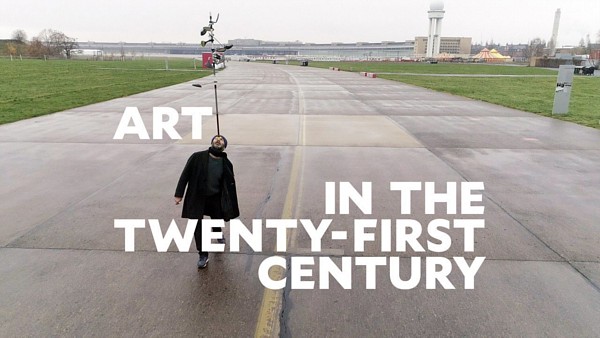
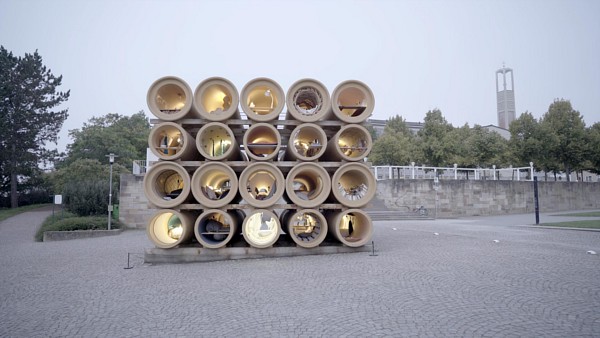
Olafur Eliasson | Nathalie Djurberg & Hans Berg | Susan Philipsz | Hiwa K
BERLIN—A city still in the midst of a post-Cold War cultural and economic
rebirth, since the 1990s Berlin has become a haven for artists from all
over the world—a free zone where experimentation, individual expression,
and international influences converge. From creating large-scale public
projects to intimately personal ones, the artists in this episode
demonstrate the diversity of practice and sensibilities in the German
capital, expose its complicated history of war and migration, and convey
hopes for finding systems that foster a better tomorrow.
OLAFUR ELIASSON was born in Copenhagen, Denmark, in 1967. Moving
seamlessly from his early photographs to sculpture, immersive
environments, large-scale public interventions, and architectural
projects, Eliasson uses simple natural elements—light, color, water, and
movement—to alter viewers' sensory perceptions. Predicated on the idea
that "art does not end where the real world begins," Eliasson's work lives
in the active exchange between his creations and the viewers.
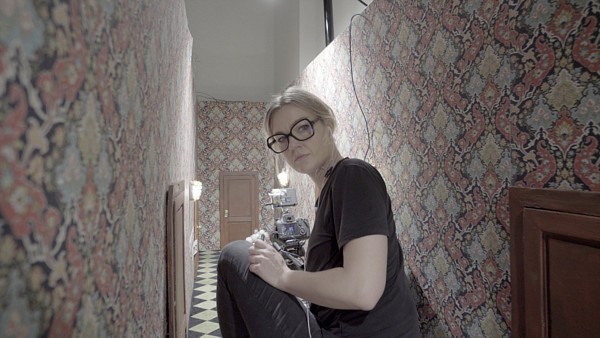
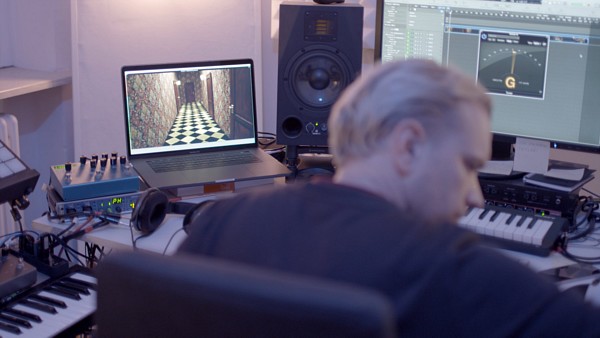
NATHALIE DJURBERG was born in Lysekil, Sweden, in 1978. HANS BERG was born
in Rättvik, Sweden, in 1978. Mixing sculpture, sound, and filmmaking, the
duo has collaborated since 2004 to create absurd and bawdy clay-animation
films and installations. Their work exposes an undercurrent of
psychologically charged human and animalistic desires with the sweet
veneer of a childhood fairytale.
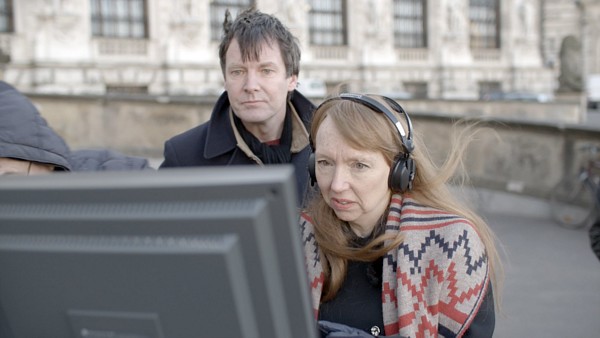
SUSAN PHILIPSZ was born in Glasgow, Scotland, in 1965. Philipsz's work
explores the psychological and sculptural dimensions of sound, with
recordings of her voice and a variety of reworked musical compositions.
Interested in the power of sound to trigger emotion, Philipsz responds to
the architecture and history of the spaces in which her pieces are
installed; her works prompt introspection and an examination of personal
and collective memories, losses, and yearnings.
HIWA K was born in Sulaymaniyah in Kurdistan, Iraq, in 1975. His
sculptures, videos, and performances slyly weave together anecdotes from
friends and family members with his biography. As a Kurdish Iraqi and
immigrant to Germany, Hiwa K draws from personal memories to tell stories
of our ongoing global crises: war, migration, and the effects of
neoliberalism and colonialism. Documenting with video, the artist inserts
himself into his works, which often involve participatory dimensions (such
as group cooking classes, musical performances, and political protests)
and collaborations with a wide cast of players, from Iraqi philosophers to
Venetian metal casters. Largely self-taught, his multidisciplinary
approach draws upon his peer-to-peer education in Iraq as well as his
musical training under the Flamenco master, Paco Peña.